
1. Falling like flies
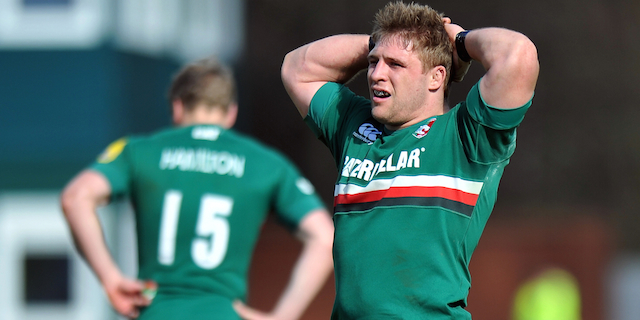
What is going on at the Tigers? Richard Cockerill insisted in a interview last week that their training isn’t as physical as it used to be (no more Wednesday night training sessions knocking lumps out of each other) and everyone seems to assume still is, yet what else can be causing such consistently rotten luck with injuries? For the game against London Irish they were missing 21 first team regulars, including the best part of two whole front five units. This is not the first time they have had such problems, either, and it is becoming a real issue for a club that is not used to sitting mid-table but is being undermined by never having a full strength team available. Harlequins have had similar injury troubles, although their list is not nearly as long as the Tigers’, and are struggling this year too. Whatever happens, both sides will be hoping to get their top players back soon, before it undoes their respective title challenges before they have even begun.
2. Sandy Park revival
For years Exeter have been damned with faint praise like ‘plucky’, but their performance against Harlequins was one of the best seen yet this season – and given some of the performances and scorelines we’ve seen already, that’s no mean feat. The revitalisation of Thomas Waldrom has been a joy to watch – quite why he spent so much time on the bench at the Tigers is a mystery to everyone bar Richard Cockerill. The tank engine has got a smile on his face again and the Chiefs are reaping the rewards. At the same time, England hopefuls Dave Ewers, Sam Hill and Henry Slade have been sublime (see below) and Jack Nowell showed some nice touches, although is still probably a bit rusty. Sunday’s comprehensive win over Quins was all the more special because it came at Sandy Park, where the faithful fans had been starved of wins in the last year or so. Currently in the top four and only four points off Saracens at the summit of the table, things are looking rosy again on the South Coast.
3. Bolters
Stuart Lancaster’s selection headaches aren’t getting any easier with the form of English qualified players this season being more a kick to the temple than a painkiller for the England head coach. While the performances of some of the more established squad members have been good, there are some that few would have expected to be in the England reckoning but who are finding themselves increasingly prominent in such conversations. Exeter’s Sam Hill and Henry Slade have been superb in the centres, as has their gigantic back-rower Dave Ewers. Scrum-half Dan Robson was the spark to everything good about Gloucester’s play on Friday night, while at London Irish Shane Geraghty is showing the kind of form that made him such hot property a few years ago and Alex Lewington has been a revelation on the wing. The list goes on – Rob Webber, Elliot Daly, Jonathan Joseph and many more – and Lancaster’s job just keeps getting more and more difficult.
4. Two horse race
Not the title race – that’s likely to be much more competitive – but the race for relegation. Newcastle extended their run without a win in the Premiership to 11 months after their loss at Wasps, while London Welsh shipped close to fifty points once again. It’s still early days but they are the only two sides left without a win and the likes of Sale and London Irish, who had been tipped to perhaps be embroiled in the relegation battle with them, have distanced themselves from the bottom two both in the table and on the pitch, where they have been playing vastly superior rugby. Justin Burnell was clearly unhappy with the way his side were refereed on Friday night at Gloucester, but it’s tough to pin their struggles solely on the officiating when they have a points difference of -153 in just four games. They talk of ‘relegation six pointers’ when two teams at the bottom of the table play each other in football, and the London Welsh vs Newcastle games are already looking like rugby’s equivalent relegation eight pointers.
5. The real deal
We’ve been saying it for seasons only for them to fall short and it might seem odd to say after they suffered their first loss of the campaign, but this year Bath really do look like they will make a sustained charge on the play-offs. They almost did it last year, but faltered when it mattered most. This time around, they seem to have more composure and more belief – you only have to compare some of this season’s results with the comparative games last year. At home to the Tigers they won by seven – this year we are still feeling the reverberations from their 46-0 thumping of the former champions. Their visit to Franklin’s Gardens last year ended in an 18 point loss – this time they got a losing bonus point, finishing within a score of the current champions. They are more competitive and convincing in the big games so far, something that was not true last year. If they continue to play as they are currently, they will comfortably finish in the top four.
By Jamie Hosie
Follow Jamie on Twitter: @jhosie43
Photo by: Patrick Khachfe / Onside Images

I think Bath are definitely up there. They showed big character to bring it back and get within a sniff of Northampton.
Henry Slade could be an excellent option at 12 and I don’t think that step up would phase him at all.
The two kicker setup employed by Chiefs this year is working a treat too – Steeno for regular kicks and conversions with Slade stepping up for the long distance penalties. Slade as an out and out kicker doesn’t seem to work, but he’s been excellent in this centre role with Sam Hill too.
Andy O, agrre that Slade could work well at 12. He would fits in the Twelvetrees mould, but is actually playing not just well, but brialliantly. Will Lancaster select him…?
I “fear that Lancaster may be conservative. However there is an argument that that is justified.